
|
|
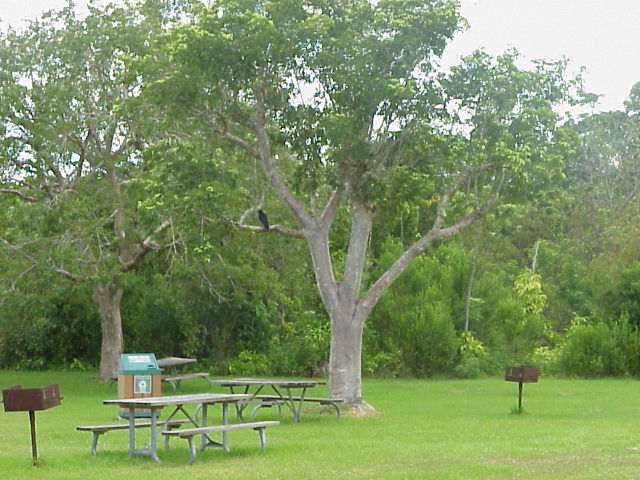
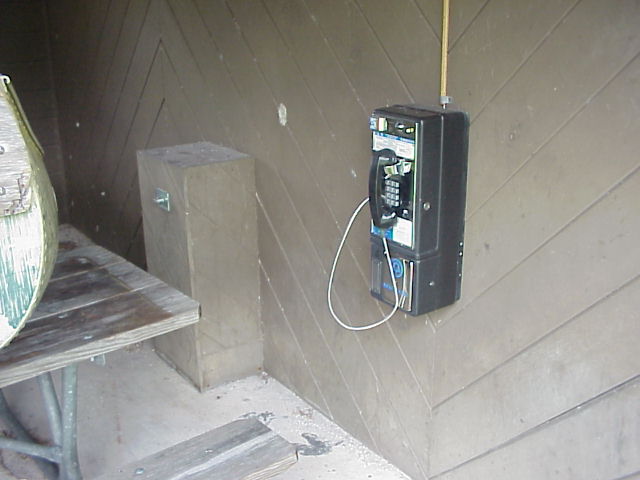
Call it Chekika Park, Mineral Springs or even Grossman Hammock. It has gone by all three names. Here are some pictures of what used to be a fun park with a nice lake. Now it's a grassy park with natural trails and unused campgrounds. The now dead spring. Sad. "I found the following relevant information from the Everglades National Park webpage....... Chekika Chekika re-opened for day-use activities on Saturday, December 16, 2000. The campground remains closed, pending repairs of damage caused by Hurricane Irene in October 1999.Facilities at Chekika include a picnic area and nature trails. There is no visitor center at this location. Chekika is located six miles (10 km) west of Krome Ave (State Road 997) on SW 168 Street." Here's the history of this park, as explained to me. Some time in the 1920's, a oil company tried to find oil in South West Dade. They saw oil oozing to the surface in this area, so it was logical that there would be oil underground. Instead of finding oil, they found water. Lots of it. Too much. By the time they drilled down some 14,000 feet (?) they hit a pocket of water with a lot of sulfur. When they were done, they had a geyser that shot 30' in the air. I think it was know as Grossman Hammock at this time. It became a park, maybe unofficially. When I was a kid, in the late 1960's to early 1970's, this was a cool park to go to. The water was cool and clean, but smelled terrible, like rotting eggs. Everyone thought this was very healthy. The spring at this point was like a big coral rock wedding cake that had water cascading down the sides into the large lake. There was a sandy beach around the spring, and an Australian pine stand on the east side. The large lake then drained into a swampy lake to the south. Between then and the 1980s, the park grew. A large parking lot was added, a camp ground and a lot of park buildings. A more elaborate fountain was built around the spring. Sometime in the 1980's it was decided that all this surfer water from underground shouldn't be allowed to get in the Biscayne Aquifer, where our drinking water comes from. So the spring was capped. Aerial photography seems to still show the lake had water in it and there was a sandy beach. Between then and now, the big lake is now a swamp, the beach is gone. The camp grounds are closed. Not much to see except for some overgrown nature trails. In fact, while we were there on a beautiful Saturday, only two other people were at the park. Unless the water source can come back, there's not much reason to go this park. The good news is that there's no charge to get in to the park. I'm going to take a guess here.... since the lake looked viable back in 1994, and that's way after the old sulfer well was capped in the 1980's, I suspect the spring that's there today was connected to the pump buildings you can see in the photos below. Sort of pump it out of the lake, then back up to the top of the "spring." As I remember the lake when I was a kid, the sulfur well was more to the West of the big lake. South of where you can see the beach in the aerial photography. The thing you can see below may be nothing more than a fake of the original. The whole park has changed a lot. If so, where's the REAL well today? Can anyone who remembers this park confirm my memories? There appears to be active power and phone service, so it could be used as a command post location if there's ever a disaster out there. The drinking water and water treatment system seem to be off. It might be a good field day location. But not during the bug season. Info Links: http://www.ohwy.com/fl/c/cheevenp.htm http://www.nps.gov/ever/visit/vc.htm http://www.everglades.national-park.com/cal.htm
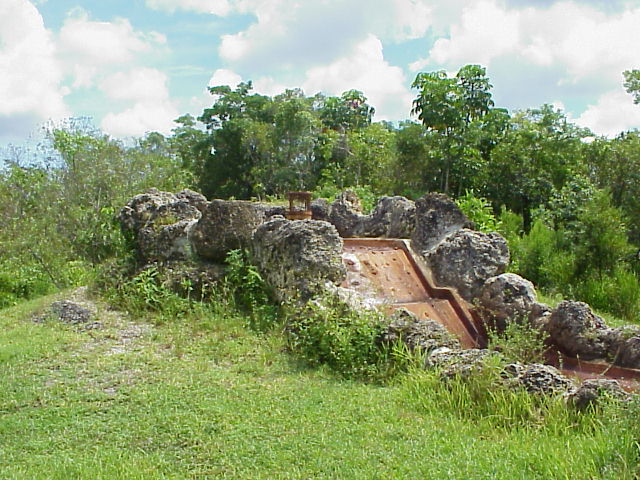
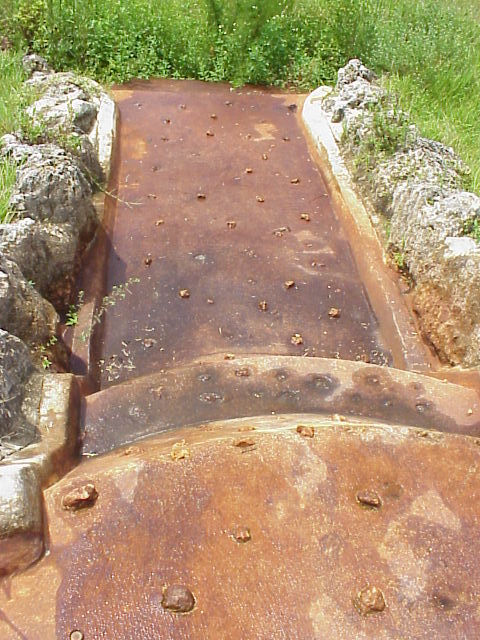
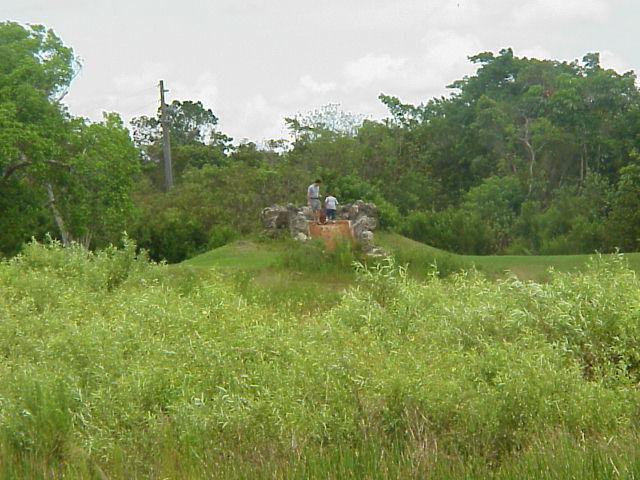
This is the now dry spring.
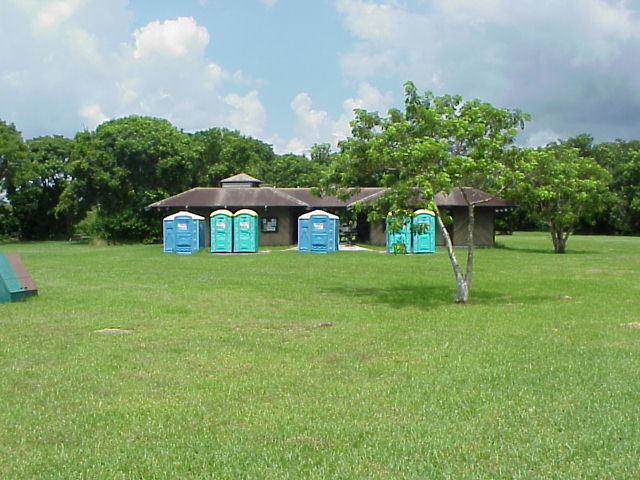
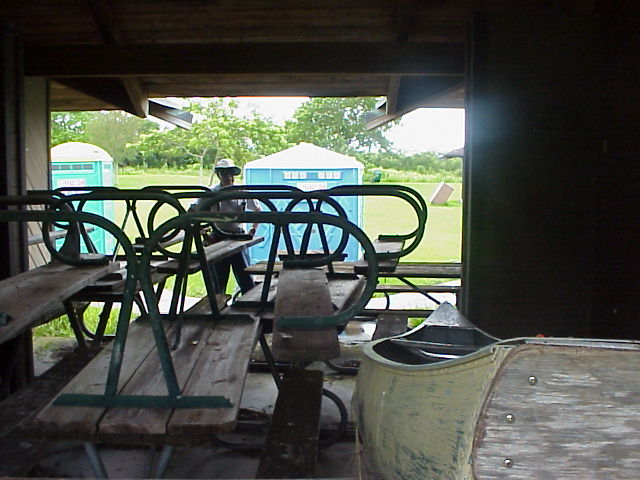
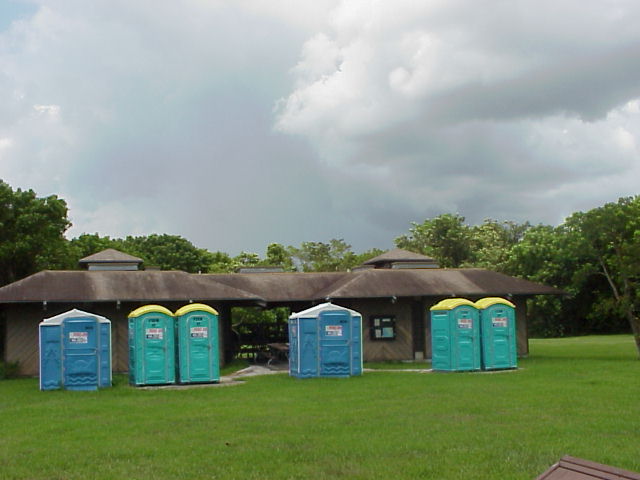
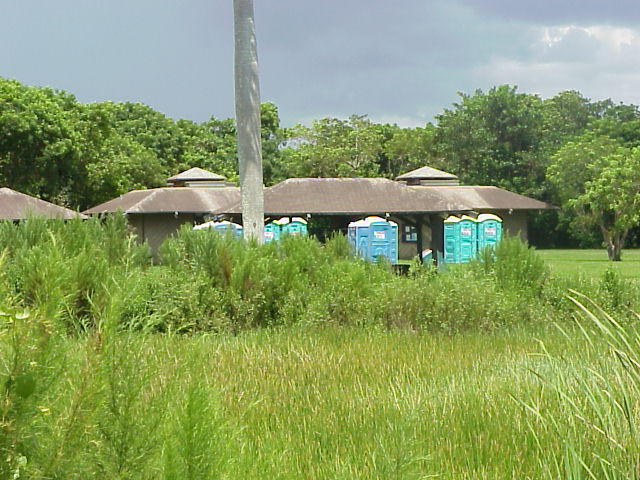
Portable toilets since the water and sewer treatment plant seems to be shut down.
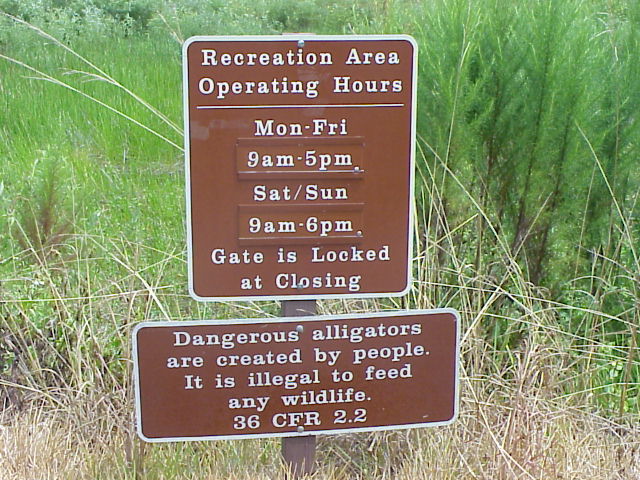
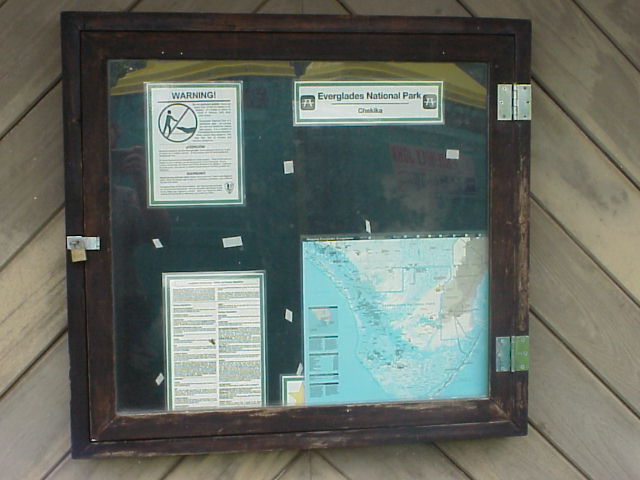
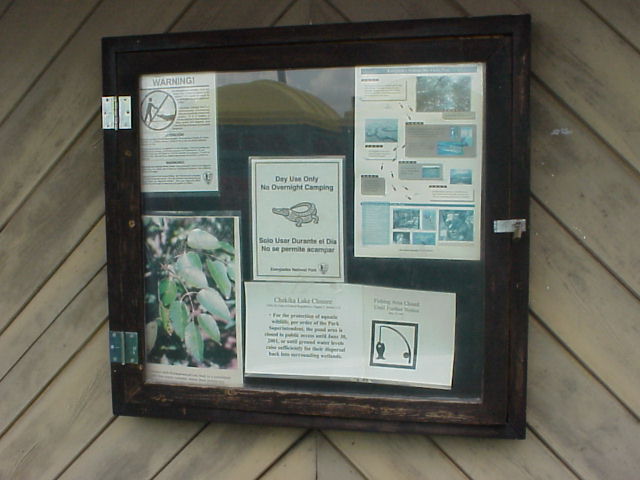
The hours now.
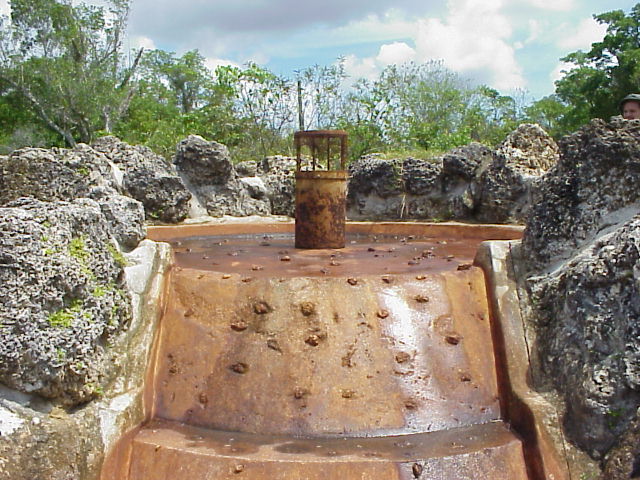
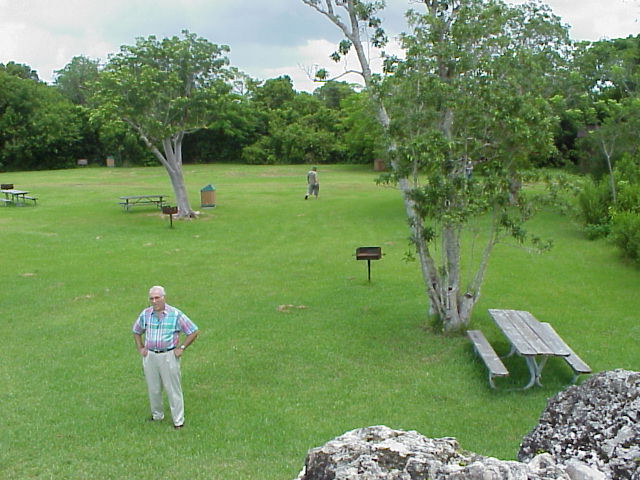
Looking down from the top of the spring
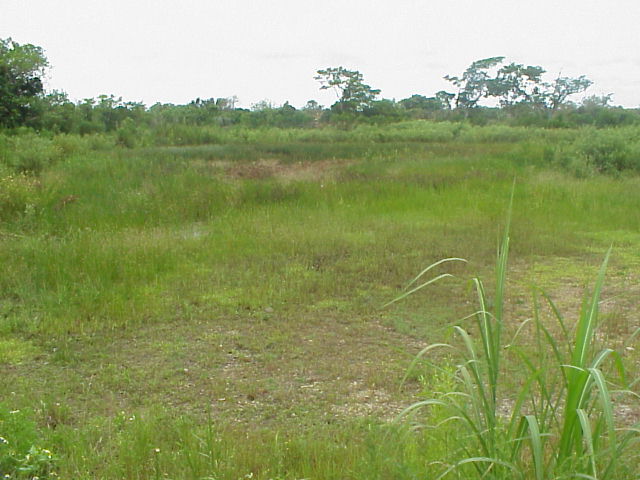
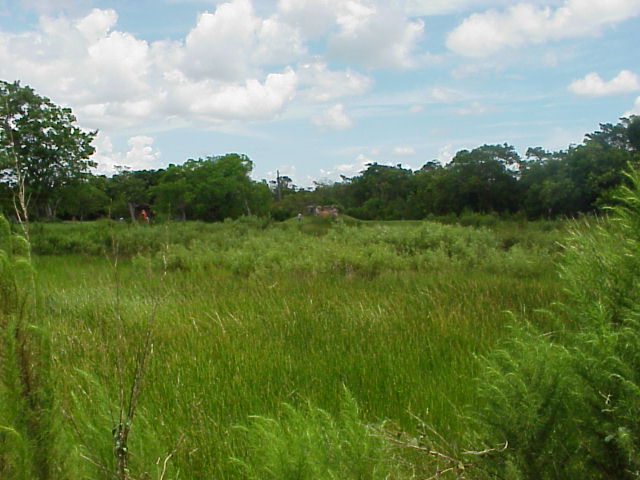
This USED to be a lake.
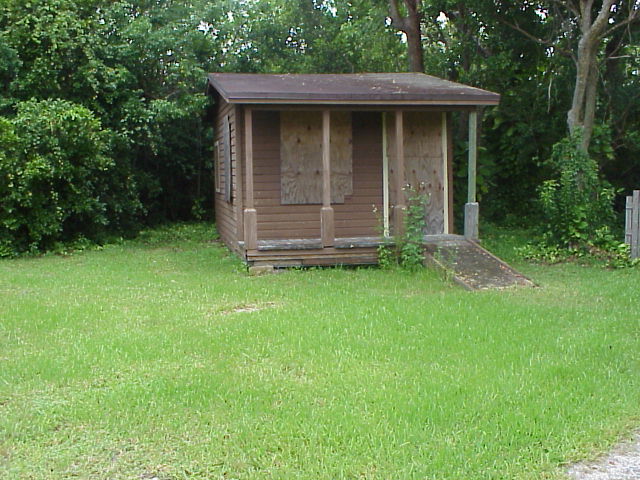
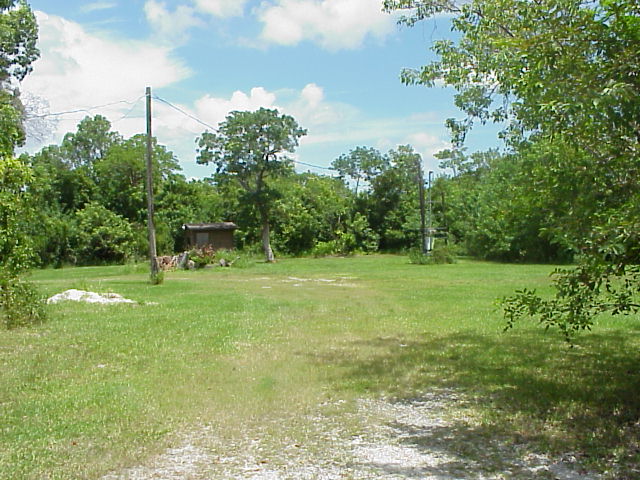
An old shack?
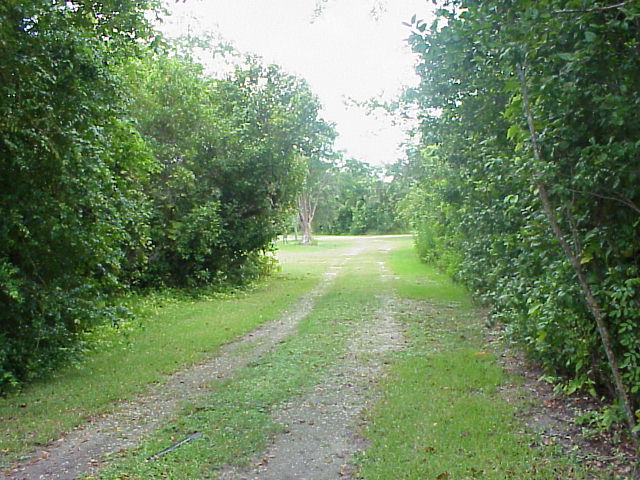
Along the nature trail. Take bug spray and a machete.
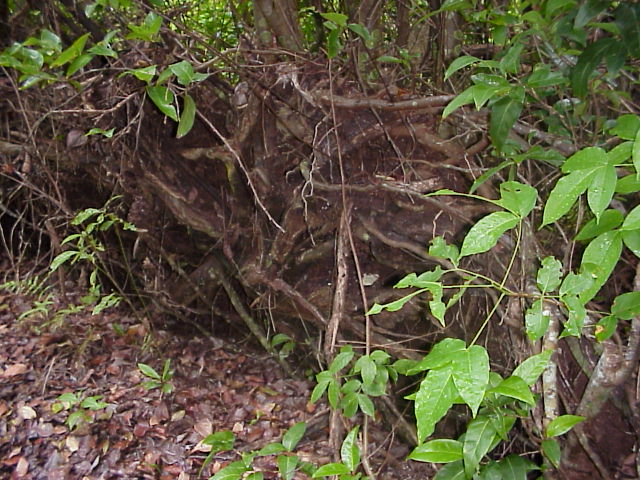
An uprooted tree, maybe from Andrew?
The small images below are missing... click on the small box to see the full sized picture.
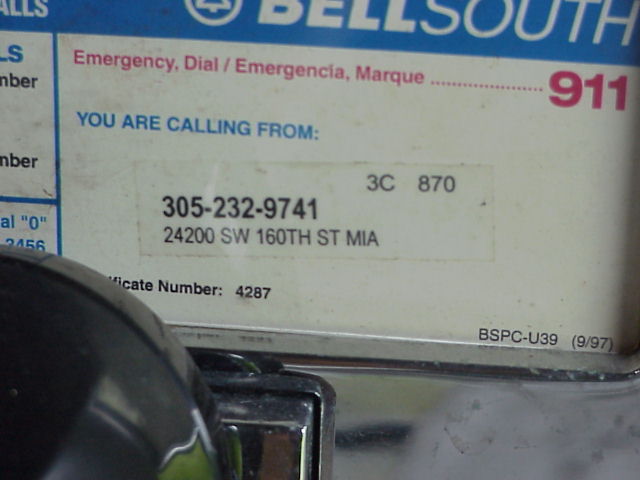
The address. The phone actually works.
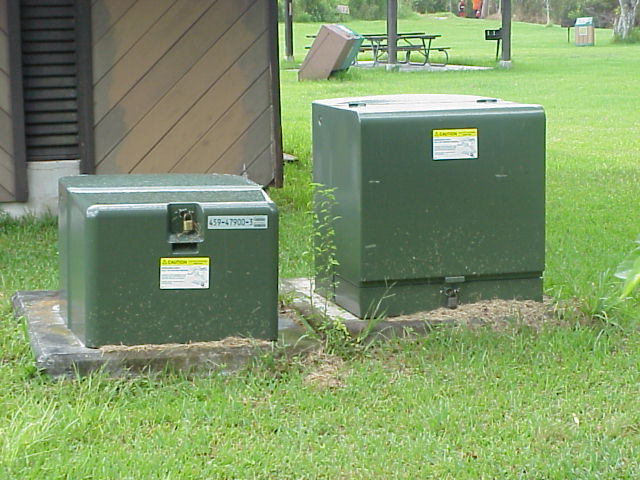
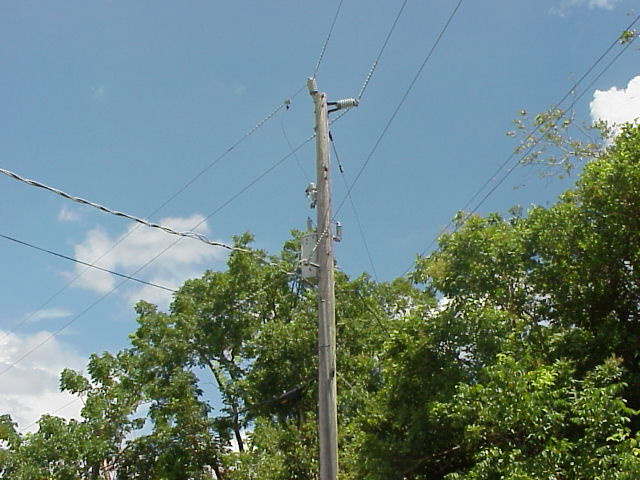
Brand new FP&L transformers. Yes, they were on.
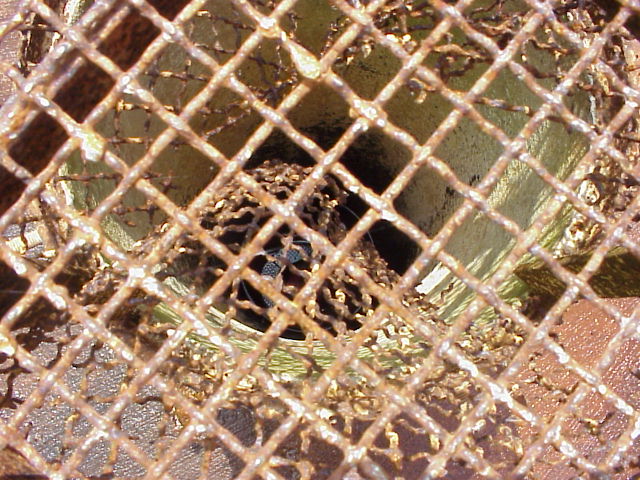
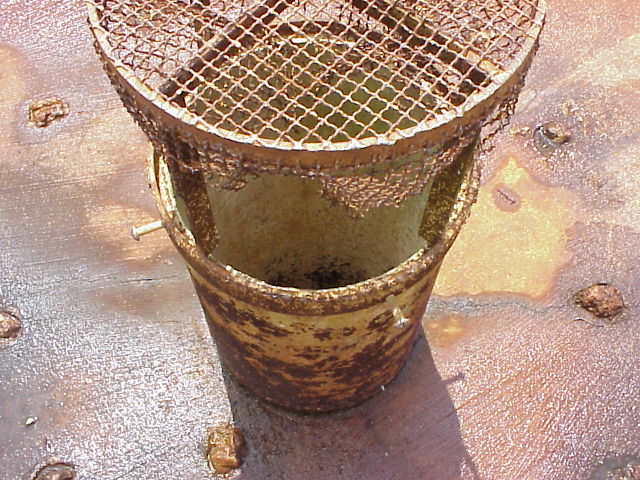
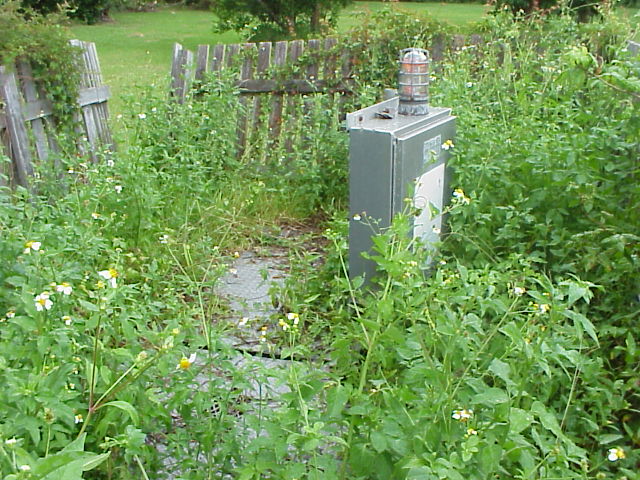
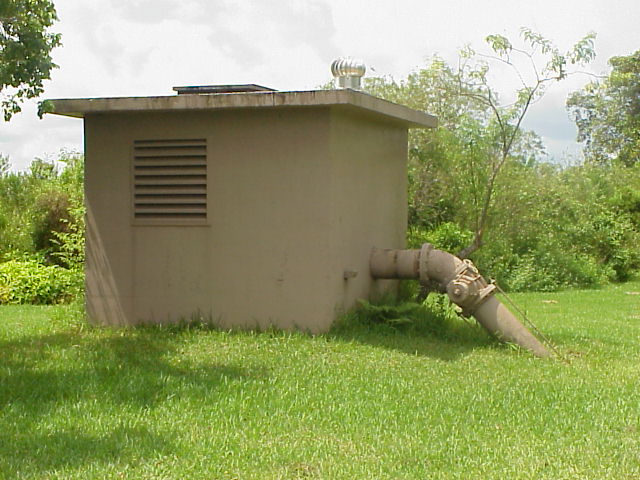
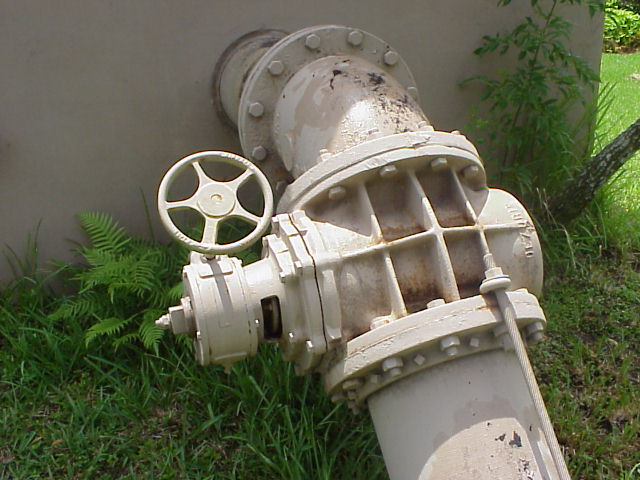
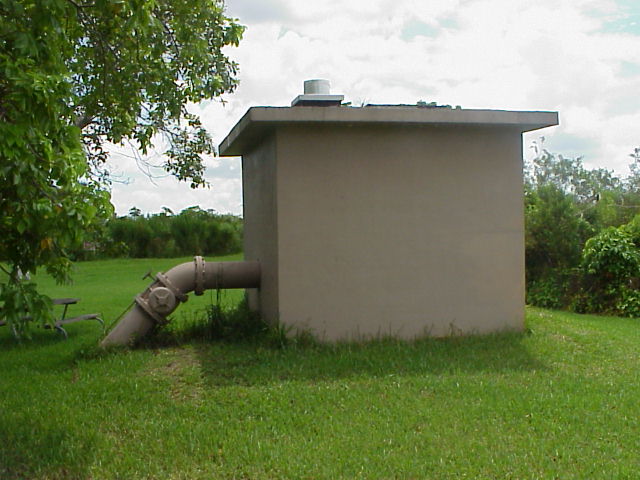
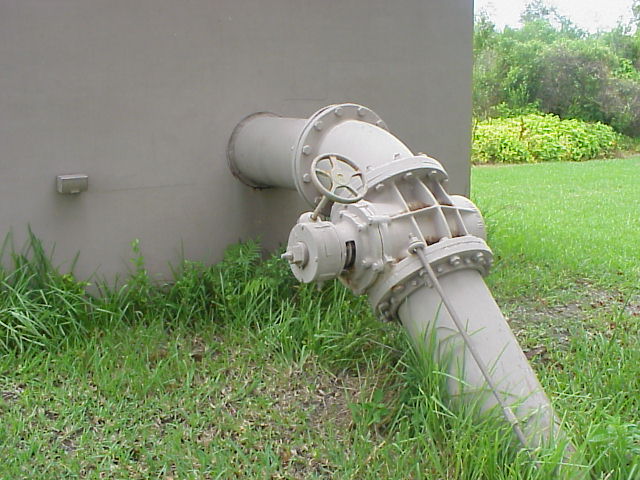
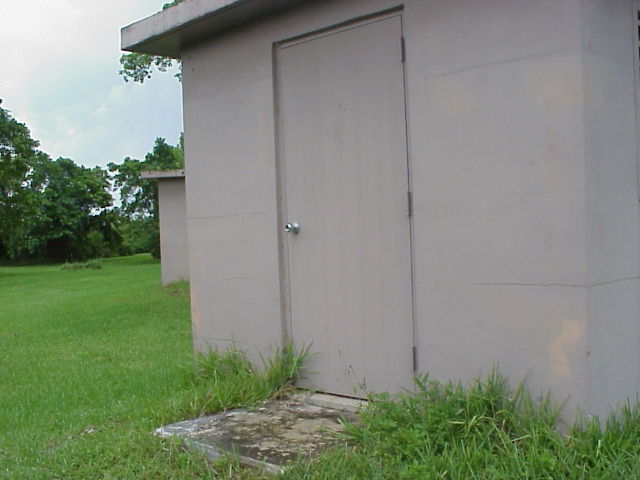
Not sure what these pumped.
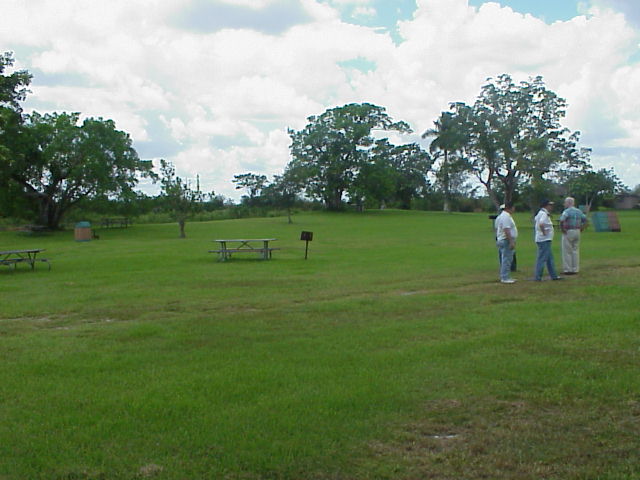
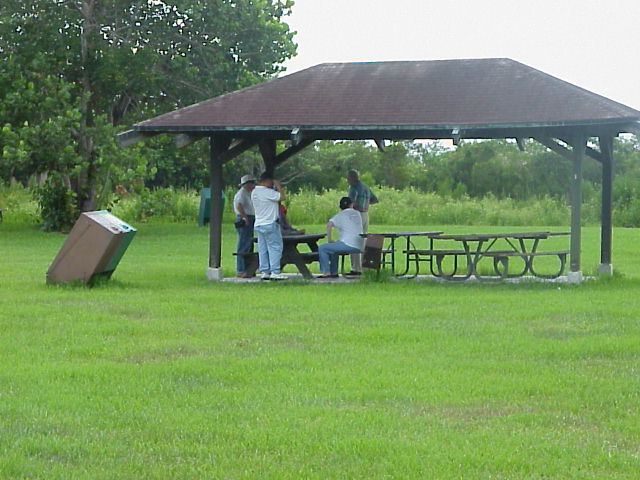
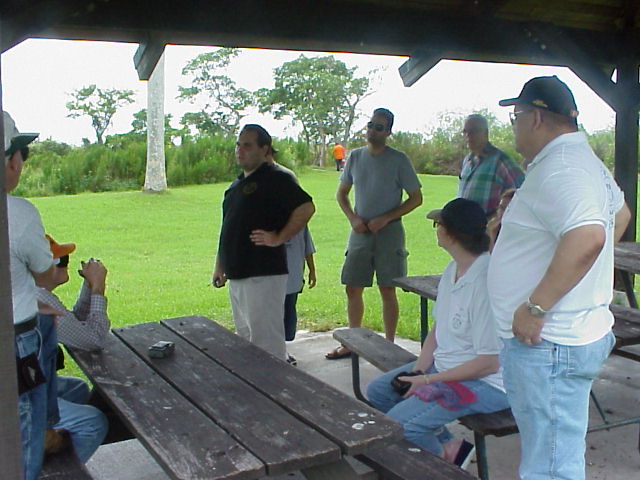
The group discusses the history of the site.
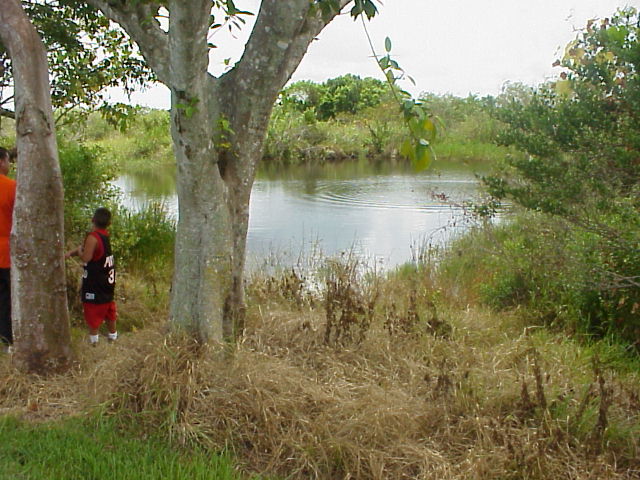
This is the second lake. Now more of a lake than the first one.
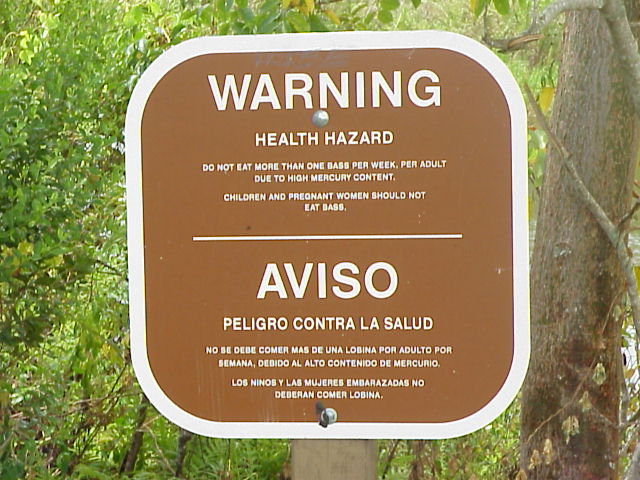
Yummy.
People once swam and had fun here.
Lee and Bryce check out the top of the spring.
New pole hardware. This area was recently replaced.
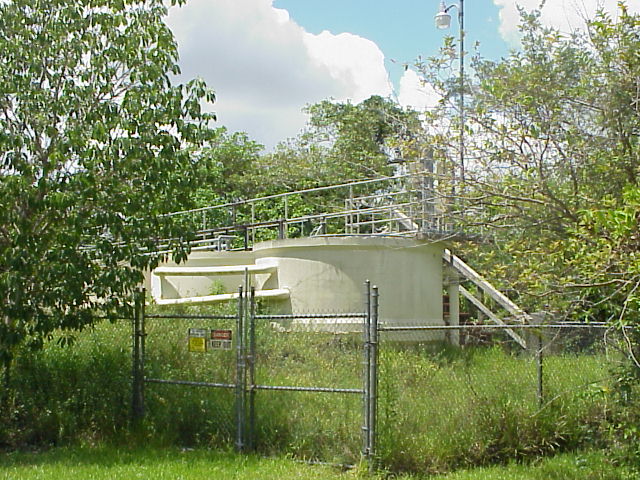
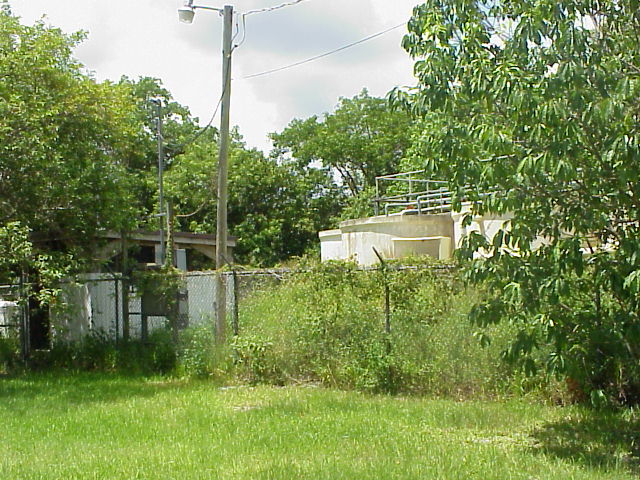
The shut down sewage treatment system. This may be why the camp grounds are still closed.
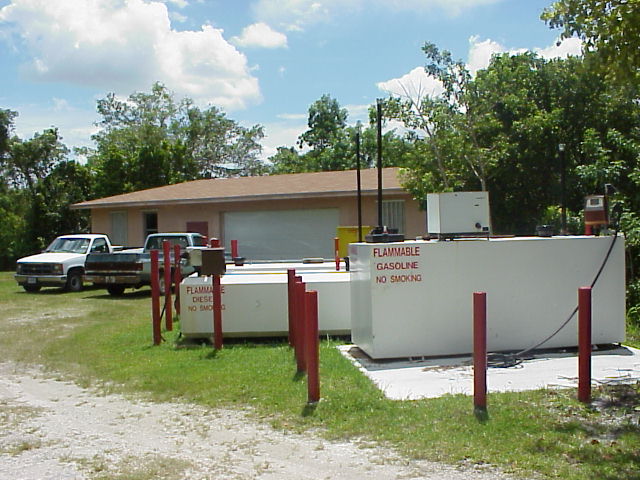
Grounds keeping, fuel.
Camp sites with hookups.
08/31/2003 |
|